
High-Strength Forging & Precision Machining
Metal Forging Services & Forged Machined Parts
Fedele Autocore delivers comprehensive metal forging and precision forged machined parts services, transforming raw billets into ultra-high-strength components through controlled plastic deformation and CNC finishing. Our advanced facility combines hot forging, cold forging, warm forging, and specialized closed-die forming processes to create components with superior mechanical properties, refined grain structure, and exceptional fatigue life.
With state-of-the-art forging equipment including hydraulic presses up to 2500 tons, mechanical hammers, automated upset headers, and precision CNC turning/milling centers, we supply completely finished, forged machined parts from grams to 500 kg. Our forging expertise encompasses open die forging, closed die impression forging, and upset forging with meticulous metallurgical testing.
From automotive crankshafts, steering knuckles, and connecting rods to aerospace fittings and industrial machinery parts, we serve manufacturers across 23 countries, delivering precision forged machined parts that combine maximum strength-to-weight ratios with tight tolerances.
Key Advantages & Benefits
Forged components deliver unmatched strength and performance.
Maximum Strength
Directional grain flow and work hardening create components 30-50% stronger than cast or machined equivalents with superior structural integrity.
Exceptional Toughness
Refined grain structure and absence of internal voids deliver outstanding impact resistance and toughness for safety-critical applications.
Superior Fatigue Life
Continuous grain flow provides exceptional resistance to cyclic loading and fatigue failure in high-stress, high-vibration environments.
Optimized Weight
High strength-to-weight ratios allow lighter designs without sacrificing performance, critical for aerospace and automotive applications.
Predictable Properties
Controlled forging and heat treatment processes ensure consistent mechanical properties throughout the component cross-section.
Material Efficiency
Near-net shape forging minimizes material waste and reduces secondary machining requirements for cost-effective production.
Types of Metal Forging
Comprehensive forging capabilities for diverse requirements.
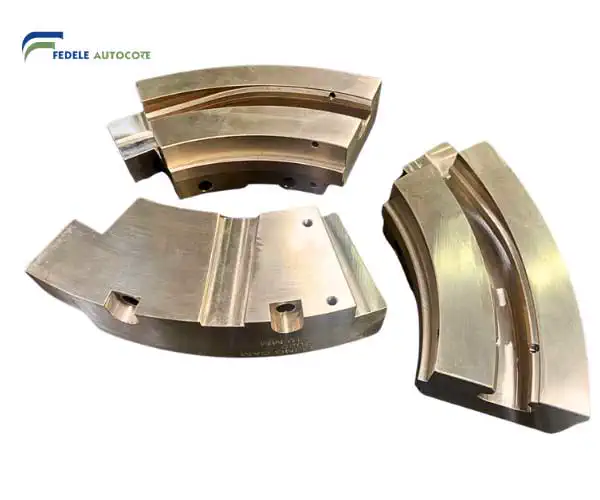
Hot Forging
Metal heated above recrystallization temperature (950°C-1250°C) enables large reductions and complex shapes with refined grain structure.
- Large complex components
- Superior grain refinement
- Minimal work hardening
- Reduced forming forces
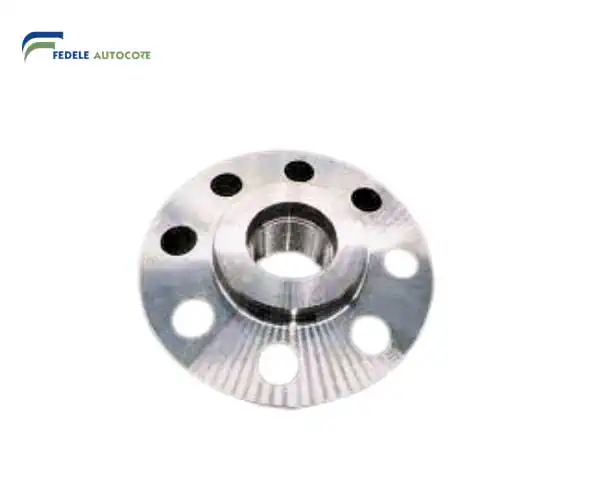
Cold Forging
Room temperature forming creates precise dimensions, excellent surface finish, and increased strength through work hardening.
- Precision fasteners
- Superior tolerances
- Enhanced strength
- No heat treatment needed
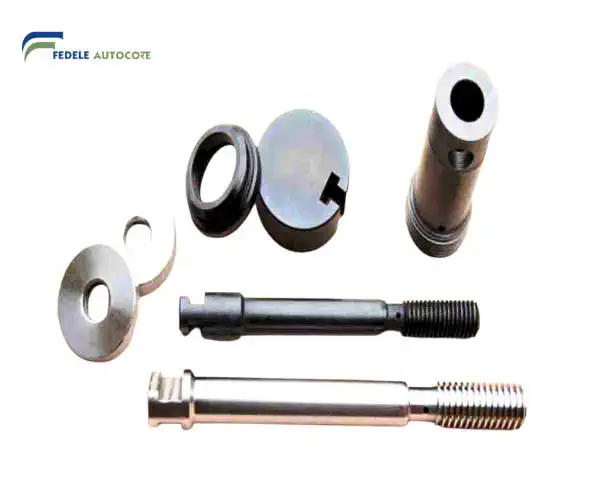
Warm Forging
Intermediate temperature (250°C-750°C) combines benefits of hot and cold forging for optimal balance of precision and formability.
- Reduced forming forces
- Better tolerances than hot
- Lower energy costs
- Extended die life
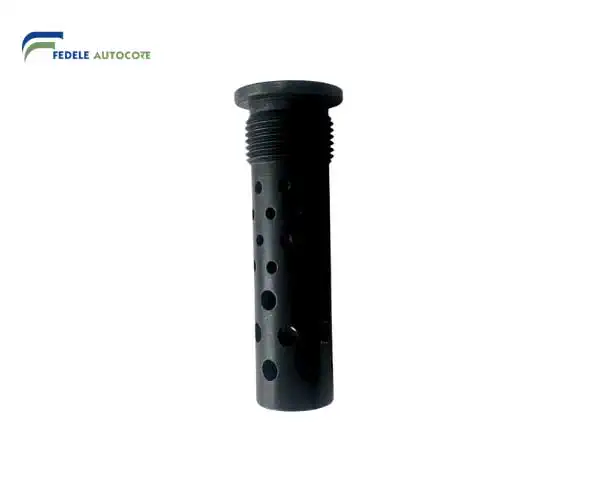
Open Die Forging
Metal shaped between flat or simple contoured dies enables custom one-off forgings and large components without expensive tooling.
- Large shafts & discs
- Rings & cylinders
- Low tooling costs
- Maximum flexibility
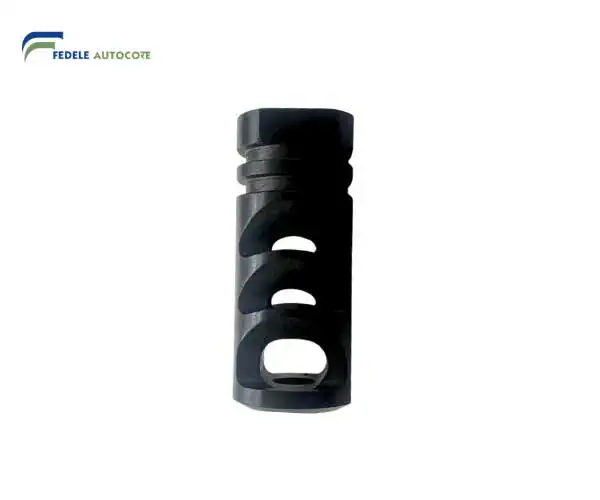
Closed Die Forging
Precision matched dies create complex 3D shapes with tight tolerances and excellent repeatability for high-volume production.
- Complex geometries
- Tight tolerances
- High production rates
- Consistent quality
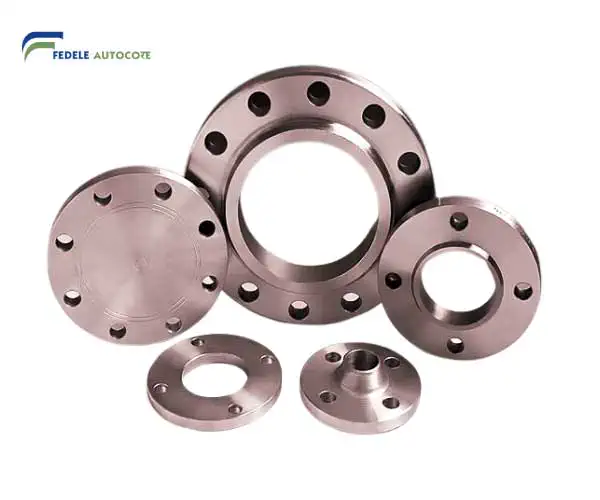
Upset Forging
Increase cross-section by compressing length creates heads, flanges, and enlarged sections on shaft-type components efficiently.
- Fastener head forming
- Valve stems & heads
- Bolts & screws
- Automotive parts
Metal Forging Workflow
Precision-controlled forging methodology for superior results.
Material Selection
Select appropriate alloy, verify chemistry and properties
Heating
Heat billets to optimal forging temperature with controlled atmosphere
Forging Operation
Shape metal using hammers or presses with precise control
Heat Treatment
Apply normalizing, annealing, or hardening for desired properties
Finishing & QC
Machine, test, and inspect to specifications
Advanced Forging Capabilities
State-of-the-art equipment and metallurgical expertise.
Forgeable Materials
Extensive range of materials for diverse applications.
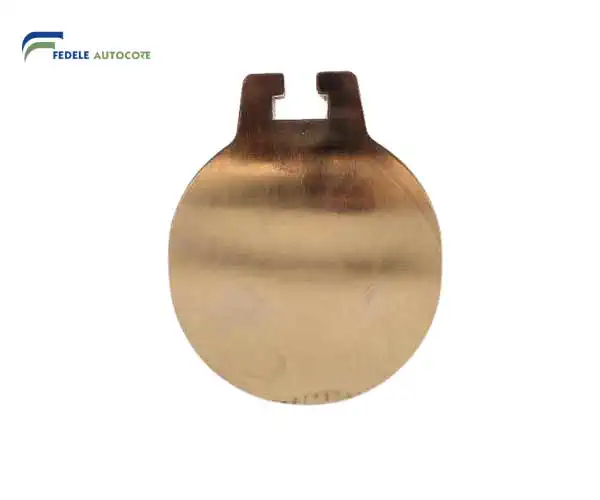
Carbon Steel
1020, 1045, 1050 - General to high-strength applications
Alloy Steel
4140, 4340, 8620 - Enhanced strength & toughness
Stainless Steel
304, 316, 410, 17-4PH - Corrosion resistant
Tool Steel
H13, D2 - High wear & heat resistance
Aluminum Alloys
6061, 7075 - Lightweight, high strength
Titanium
Ti-6Al-4V - Aerospace-grade applications
Industries & Components
High-strength forged components for critical applications.
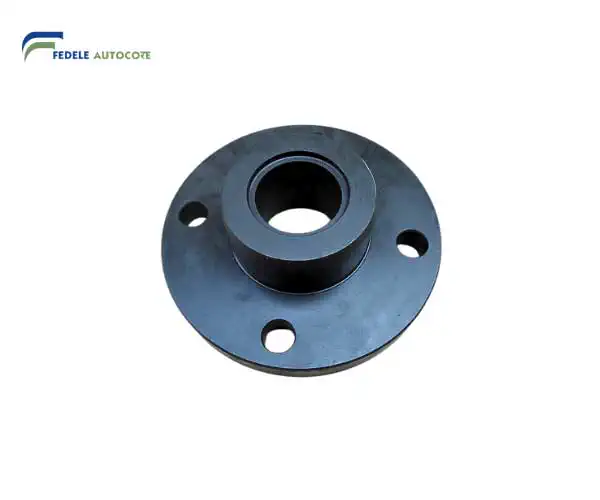
Automotive Components
- Crankshafts & camshafts
- Connecting rods & pistons
- Gears & transmission parts
- Steering components
- Axle shafts & hubs
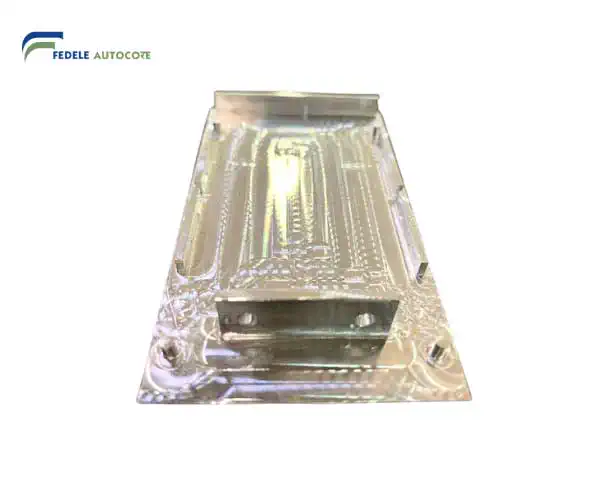
Aerospace
- Landing gear components
- Engine mounts & brackets
- Structural fittings
- Turbine discs & blades
- Critical fasteners
Oil & Gas
- Valve bodies & bonnets
- Drill collars & subs
- High-pressure fittings
- Flanges & couplings
- Wellhead components
Heavy Machinery
- Crane hooks & shackles
- Excavator teeth & adapters
- Gear blanks & pinions
- Hydraulic cylinders
- Track links & pins
Hand Tools
- Wrenches & spanners
- Pliers & grips
- Hammers & mallets
- Chisels & punches
- Socket & ratchet parts
Fasteners
- High-strength bolts
- Hex nuts & lock nuts
- Custom fasteners
- Automotive fasteners
- Industrial hardware
Metal Forging Specifications
Industry-leading capabilities for precision forging.
Component Weight
0.01 kg to 500 kg
Small to large forgings
Press Capacity
300 to 2500 tons
Hydraulic & mechanical
Temperature Range
Room temp to 1250°C
Hot, warm, & cold forging
Tolerances
±0.5mm to ±3mm
Process dependent
Comprehensive Quality Control
Rigorous testing ensuring every forged component meets specifications.
Trusted Partner Across Heavy Industries
Delivering superior forged components worldwide.
Automotive
Aerospace
Oil & Gas
Heavy Machinery
Hand Tools
Fasteners
Railway
Construction
Metal Forging FAQs
Answers to common questions about tolerances, materials, order quantities, and quality assurance.
Related CNC Machining & Manufacturing Capabilities
Explore our integrated manufacturing capabilities to streamline your component sourcing.
Custom Fastener Manufacturer
ISO-certified precision manufacturing & custom component production.
Precision Machining Services
ISO-certified precision manufacturing & custom component production.
Custom Screw Machining
ISO-certified precision manufacturing & custom component production.
Cold Heading Services
ISO-certified precision manufacturing & custom component production.
Need High-Strength Forged Components?
Contact Fedele Autocore for professional metal forging services. Our expert team is ready to engineer superior forged solutions for your critical applications.
Have 2D/3D CAD Drawings?
Send STEP, IGES, DXF, or PDF files directly on WhatsApp for immediate evaluation & 24-hour RFQ pricing.