

Superior Strength Through Precision Forming
Hot Forging Services
Fedele Autocore specializes in hot forging services, transforming metal billets into high-strength components through controlled heating and precision forming. Our advanced forging facility combines traditional metallurgical expertise with modern automated equipment to deliver superior mechanical properties, refined grain structure, and exceptional durability for critical applications.
With state-of-the-art forging hammers, hydraulic presses up to 2500 tons, and precision controlled heating furnaces, we produce hot forgings from 0.5 kg to 500 kg. Our capabilities encompass open die forging, closed die forging, and upset forging processes, handling carbon steel, alloy steel, stainless steel, aluminum, brass, and other forgeable alloys heated to optimal forging temperatures between 950°C and 1250°C.
From automotive crankshafts and connecting rods to aerospace structural components and heavy machinery parts, we serve manufacturers across 21 countries, delivering hot forged components with superior strength-to-weight ratios, excellent fatigue resistance, and unmatched reliability in demanding environments.
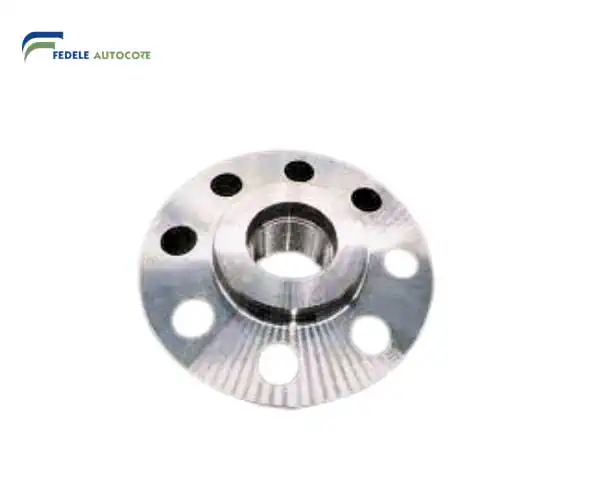
Key Advantages & Benefits
Hot forging delivers unmatched strength and metallurgical properties.
Superior Strength
Directional grain flow and work hardening create components with exceptional tensile strength, impact resistance, and structural integrity.
Refined Grain Structure
High-temperature forging refines grain structure, eliminating defects and creating uniform, dense metal with superior mechanical properties.
Excellent Fatigue Resistance
Continuous grain flow without interruptions provides outstanding resistance to cyclic loading and fatigue failures in critical applications.
Optimal Weight-to-Strength
Achieve maximum strength with minimum material, reducing weight while maintaining or exceeding performance requirements.
Near-Net Shape
Precision forging produces components close to final dimensions, reducing machining time, material waste, and overall production costs.
Cost-Effective Production
High material utilization, reduced machining requirements, and excellent repeatability make forging economical for medium to high volumes.
Types of Hot Forging
Comprehensive forging capabilities for diverse component requirements.
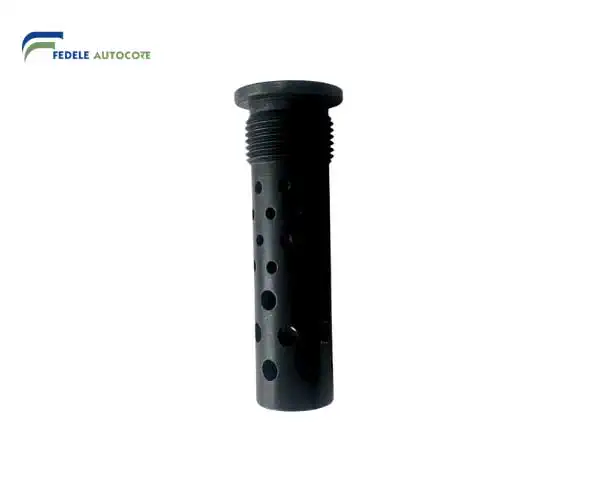
Open Die Forging
Metal shaped between flat or simple contoured dies without completely enclosing the workpiece, ideal for large components.
- Large shafts & cylinders
- Discs & rings
- Custom one-off components
- Maximum flexibility
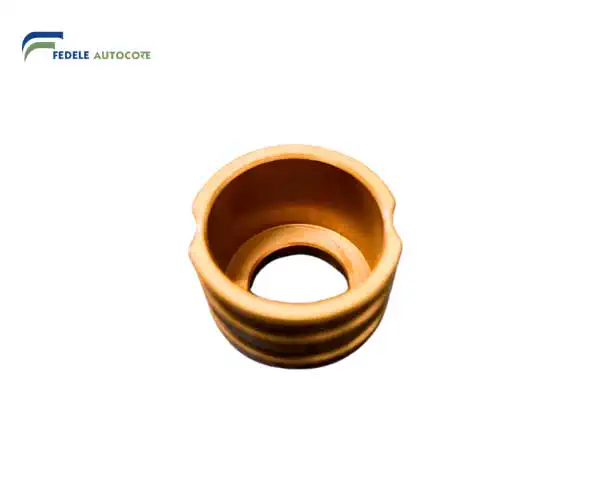
Closed Die Forging
Precision forging in matched dies creates complex shapes with excellent dimensional accuracy and superior surface finish.
- Complex geometries
- Tight tolerances
- High volume production
- Minimal machining required
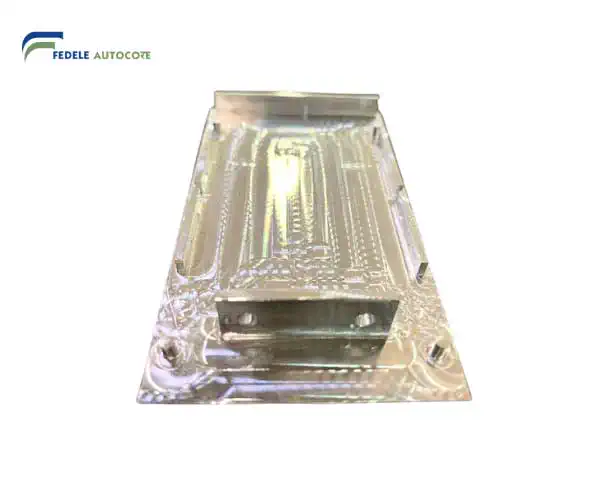
Upset Forging
Increase cross-sectional area by compressing length, creating heads, flanges, and enlarged sections on shaft-type components.
- Fastener head forming
- Valve stems
- Bolts & screws
- Stepped shafts
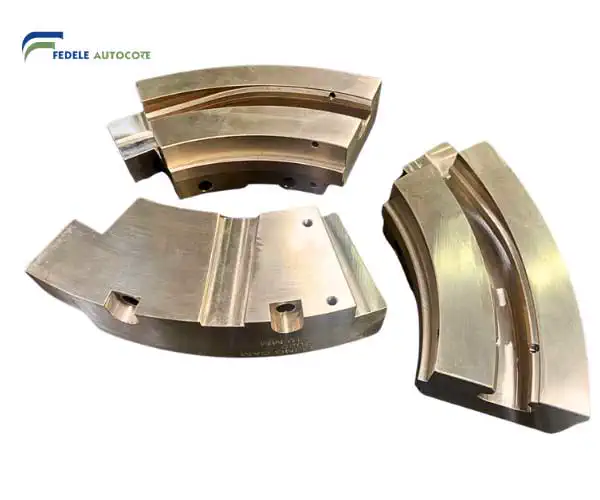
Impression Die Forging
Metal forced into die cavities creates precise shapes with excellent detail reproduction and consistent dimensional accuracy.
- Automotive components
- Hand tools & wrenches
- Connecting rods
- Complex 3D shapes
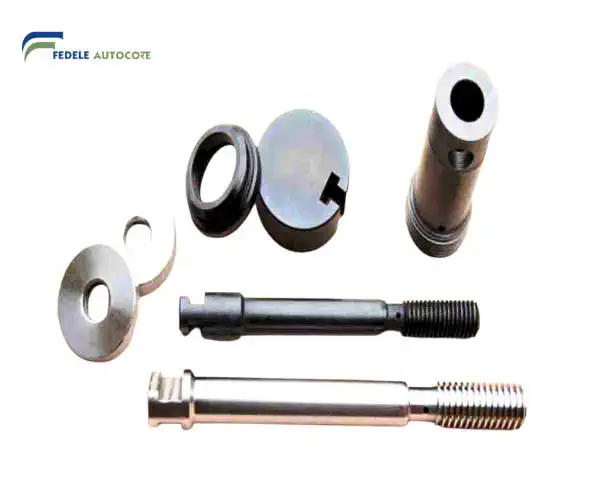
Press Forging
Controlled hydraulic pressure gradually deforms metal, producing uniform grain structure throughout the entire component.
- Large aerospace parts
- Thick-section components
- Superior grain control
- Consistent properties
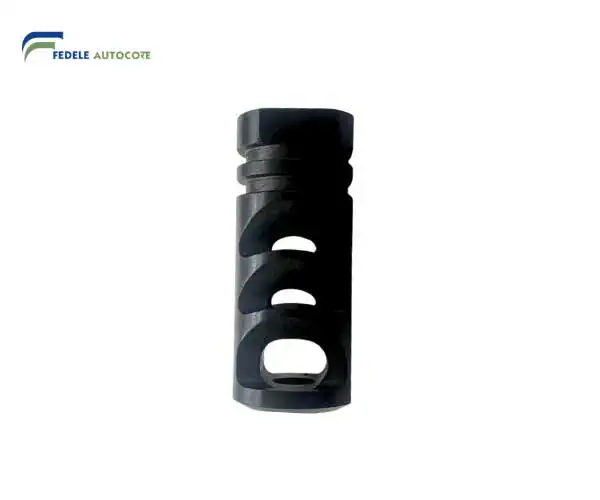
Drop Forging
Rapid impact forces shape metal in multiple blows, ideal for medium-sized components requiring high production rates.
- Crankshafts & camshafts
- Gears & sprockets
- Agricultural implements
- High production efficiency
Hot Forging Manufacturing Process
Precision-controlled forging methodology for superior results.
Material Preparation
Select appropriate grade and size billets or bar stock. Cut to precise lengths for optimal material utilization and forging efficiency.
Heating
Heat billets in controlled furnaces to forging temperature (950°C-1250°C). Precise temperature control ensures optimal material plasticity and grain structure.
Forging Operation
Shape heated metal using hammers or presses in single or multiple blows. Control force, speed, and die temperature for optimal material flow and grain alignment.
Trimming & Heat Treatment
Remove flash and excess material. Apply normalizing, annealing, or hardening heat treatments to achieve specified mechanical properties and microstructure.
Finishing & Inspection
Perform secondary machining, surface finishing, and comprehensive quality inspection including dimensional verification and mechanical testing.
Advanced Forging Capabilities
State-of-the-art equipment and metallurgical expertise.
Forgeable Materials
Extensive range of materials for hot forging applications.
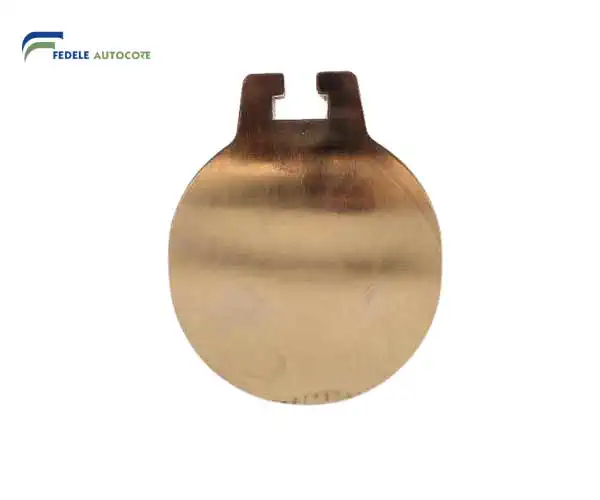
Carbon Steel
1020, 1045, 1050 - General to high-strength applications
Alloy Steel
4140, 4340, 8620 - Enhanced strength & toughness
Stainless Steel
304, 316, 410, 17-4PH - Corrosion resistant
Tool Steel
H13, D2 - High wear & heat resistance
Aluminum Alloys
6061, 7075 - Lightweight, high strength
Brass & Copper
Free-cutting brass, copper alloys
Industries & Components
High-strength hot forged components for critical applications.
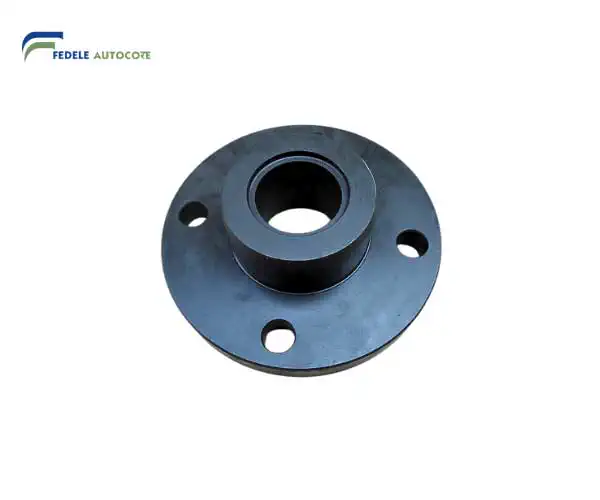
Automotive
- Crankshafts & camshafts
- Connecting rods
- Gears & transmission parts
- Steering components
- Axle shafts & hubs
Aerospace
- Landing gear components
- Engine mounts & brackets
- Structural fittings
- Turbine discs
- Critical fasteners
Oil & Gas
- Valve bodies & bonnets
- Drill collars
- High-pressure fittings
- Flanges & couplings
- Wellhead components
Heavy Machinery
- Crane hooks & shackles
- Excavator teeth & adapters
- Gear blanks
- Hydraulic cylinders
- Track links & pins
Agricultural Equipment
- Tractor components
- Plow shares & cultivator points
- Harvester parts
- Power take-off shafts
- Tiller blades
Hand Tools
- Wrenches & spanners
- Pliers & grips
- Hammers & mallets
- Chisels & punches
- Socket & ratchet parts
Hot Forging Specifications
Industry-leading capabilities for precision hot forging.
Component Weight
0.5 kg to 500 kg
Small to large forgings
Press Capacity
300 to 2500 tons
Multiple press options
Forging Temperature
950°C to 1250°C
Material-specific control
Tolerances
±1mm to ±3mm
Near-net shape capability
Comprehensive Quality Control
Rigorous testing ensuring superior forged components.
Trusted Partner Across Heavy Industries
Delivering superior hot forged components worldwide.
Automotive
Aerospace
Oil & Gas
Heavy Machinery
Agriculture
Hand Tools
Railway
Construction
Hot Forging FAQs
Answers to common questions about tolerances, materials, order quantities, and quality assurance.
Related CNC Machining & Manufacturing Capabilities
Explore our integrated manufacturing capabilities to streamline your component sourcing.
CNC Machining Services
ISO-certified precision manufacturing & custom component production.
CNC Milling Services
ISO-certified precision manufacturing & custom component production.
CNC Turned Components
ISO-certified precision manufacturing & custom component production.
Aluminum Forging Services
ISO-certified precision manufacturing & custom component production.
Need High-Strength Forged Components?
Contact Fedele Autocore for professional hot forging services. Our expert team is ready to engineer superior forged solutions for your critical applications.
Have 2D/3D CAD Drawings?
Send STEP, IGES, DXF, or PDF files directly on WhatsApp for immediate evaluation & 24-hour RFQ pricing.